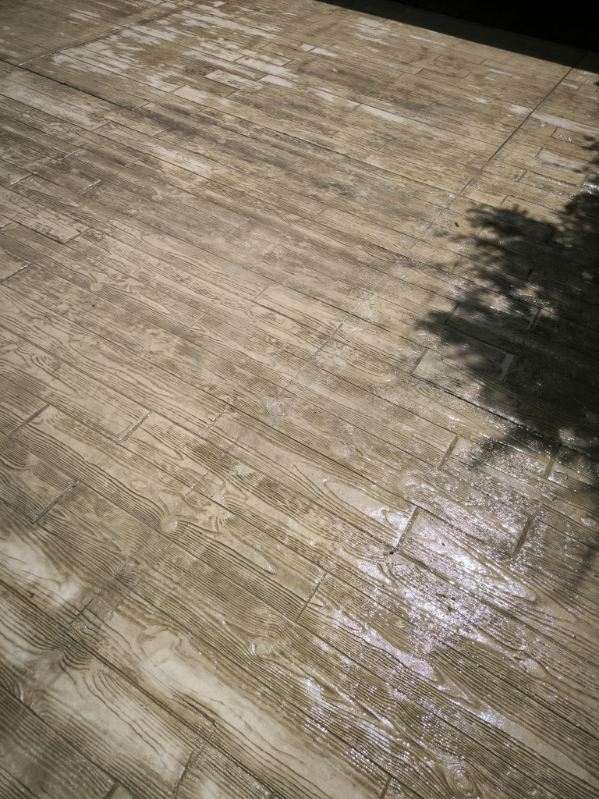
If you are planning a new patio, walkway or pool area, you have probably narrowed it down to two decorative options: stamped concrete or pavers. Both can give you the look of stone or brick, and both are far more interesting than a plain gray slab. But they are built very differently, and those differences matter a lot in North Texas.
What is the difference?
Pavers are individual pieces of concrete, brick or stone set on a bed of sand and gravel. They fit together like a puzzle, with sand swept into the joints between them.
Stamped concrete is one solid slab. The concrete is poured, colored, and then pressed with textured mats while it is still wet, giving it the pattern and texture of stone, brick, slate or wood.
Looks and design options
Both options come in a wide range of styles. Pavers are made in many shapes, sizes and colors, and the individual pieces give a very natural, handcrafted look.
Stamped concrete offers popular patterns like slate, flagstone, cobblestone, brick, ashlar and wood plank, in combinations of base and accent colors. Because it is a single surface, it has a clean, seamless look. It can also be combined with other finishes, such as a broom-finished patio with a stamped border.
When it comes to looks, there is no wrong answer. It mostly comes down to personal taste and the style of your home.
How they handle North Texas soil
This is where the two really differ. The expansive clay under most of DFW swells when it is wet and shrinks when it is dry. That movement affects both options, but in different ways.
Pavers sit on sand, so as the ground moves, individual pieces can shift, sink or rise. Over time you can end up with an uneven surface, low spots that hold water and edges that spread apart. Heavy rains can also wash sand out of the joints.
Stamped concrete is one reinforced slab. When it is built on a graded, compacted base with rebar, it moves as a single piece and resists shifting. Like any concrete, it can develop cracks, which is why control joints and steel reinforcement are so important.
Weeds and maintenance
The joints between pavers are a natural home for weeds, grass and ants. Keeping them clean usually means pulling weeds, adding polymeric sand and resetting pieces that have moved.
Stamped concrete has far fewer gaps, so weeds are much less of a problem. Its main upkeep is resealing every few years to protect the surface and keep the color looking fresh, plus regular sweeping and rinsing.
Repairs
One advantage of pavers is that individual pieces can be pulled up and replaced if one gets damaged or stained. That is handy for spot repairs or getting to a utility line underneath.
Stamped concrete repairs are harder to make invisible, because matching the exact color and pattern on a patch is tricky. That is one more reason the prep work under a stamped slab matters so much. It is best to do it right the first time.
Comfort and safety
Both surfaces can be comfortable to walk on. Sealed concrete can get slick when wet, so around pools and steps a slip-resistant additive can be mixed into the sealer for extra traction. Pavers have natural texture from their joints, but uneven pieces can become a trip hazard over time if the base shifts.
So which is better?
Here is a simple way to think about it:
- Choose stamped concrete if you want a seamless look, less weeding and fewer pieces to shift on clay soil.
- Choose pavers if you love the look of individual stones and do not mind occasional resetting and weed control.
For many DFW homeowners, the lower upkeep and solid, single-piece surface of stamped concrete make it the better fit for how the ground behaves here.
How long does each one take to install?
Paver patios are built piece by piece. After the base is prepared, every paver is set by hand, cut to fit at the edges, and finished with sand swept into the joints. Larger or more detailed layouts can take a while.
Stamped concrete is poured and stamped as one surface. After the site is prepped and the base is compacted, the pour, color and stamping happen together while the concrete is workable. Most of our stamped projects take 1–3 days, depending on the project and the weather.
Mixing the two approaches
You do not always have to choose just one look. Many homeowners pair a stamped concrete patio with a stamped border on a walkway or driveway, or combine a broom-finished slab with a decorative stamped edge. The goal is a design that ties the front and back of the house together.
Questions to ask yourself
- Do I want a seamless surface or the look of individual pieces?
- How much time do I want to spend pulling weeds and resetting pieces?
- Will this area hold furniture, a grill or a hot tub that needs a stable, level surface?
- Do I want the front walk, driveway and patio to match?
- Is my yard sloped or prone to standing water?
Thinking through these questions makes it much easier to pick the option that fits your home and the way you live.
See the options in person
The best way to choose a pattern and color is to see them in person and think about how they will look with your house, roof and landscaping. At your free on-site estimate, we will go over stamped patterns and colors with you, measure your space and give you a written estimate.
Call DFW Solid Concrete at (972) 922-8156 or send us the form to get started.