Concrete is tough, but North Texas weather does its best to wear it down. Heavy spring storms, scorching summers, the occasional winter freeze and the clay soil underneath all take a toll. The good news is that keeping your driveway, patio and walkways in good shape does not take much: a few simple habits, done at the right time of year.
Spring: get ready for storm season
Spring in DFW often brings heavy rain and strong storms. Water is the biggest threat to concrete here, because it soaks into the clay soil and makes it swell.
- Check gutters and downspouts. Make sure they are clear and that downspouts empty away from driveways, walkways and patios, not right next to them.
- Look for pooling water. After a storm, walk around and note any spots where water collects on or next to your concrete. Those are the spots most likely to settle.
- Fill washed-out edges. If soil along the edges of your driveway or walkway has washed away, fill it back in so the edges stay supported.
- Clean off winter grime. A good rinse removes dirt and debris before it stains.
Summer: heat, drought and shrinking soil
Long, dry Texas summers make clay soil shrink and pull away from slabs. This is when you may notice new gaps along the edges of your concrete.
- Water consistently, but not right against the concrete. Even watering of your lawn and beds helps keep soil moisture more stable. Avoid flooding the soil right at the edge of a slab.
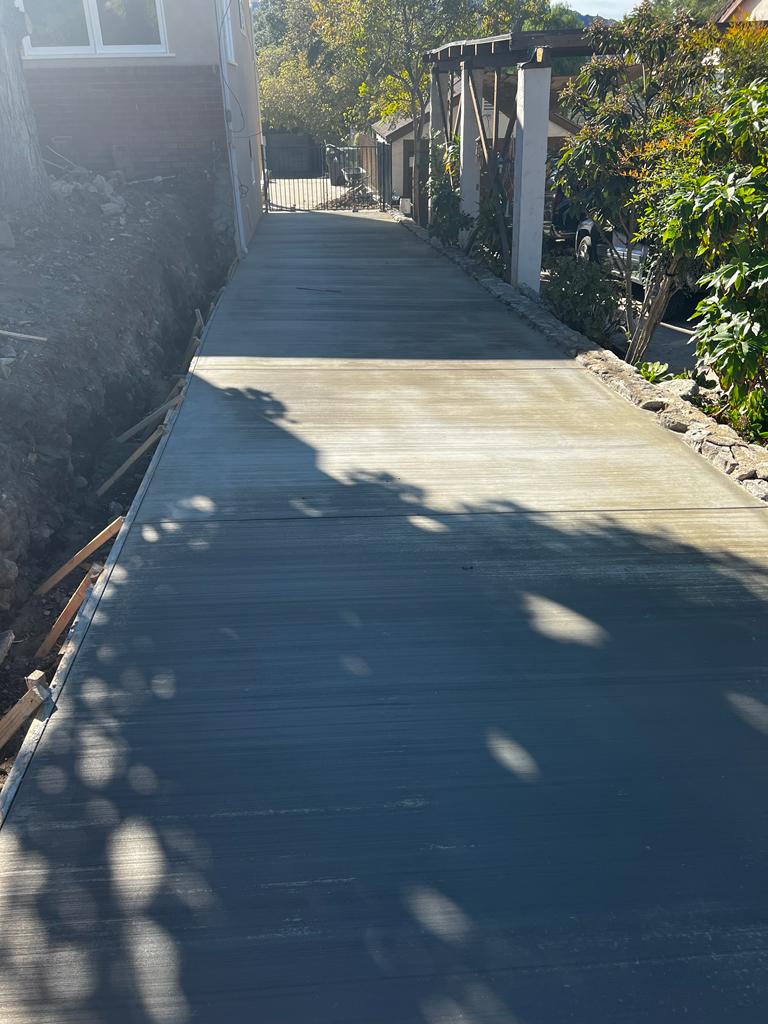
- Watch for gaps and cracks. Small hairline cracks are normal. Wide or widening cracks, or one side sitting higher than the other, are worth a closer look.
- Clean up spills quickly. Heat can bake oil and grease into the surface, so clean them up as soon as you can.
- Be careful with heavy loads. Summer is project season. Do not leave dumpsters, trailers or heavy equipment on your driveway for long periods, especially near the edges.
Fall: the best time for maintenance
Mild fall weather is ideal for taking care of your concrete before winter.
- Clear leaves often. Wet leaves left on concrete can stain it, especially on lighter or stamped surfaces.
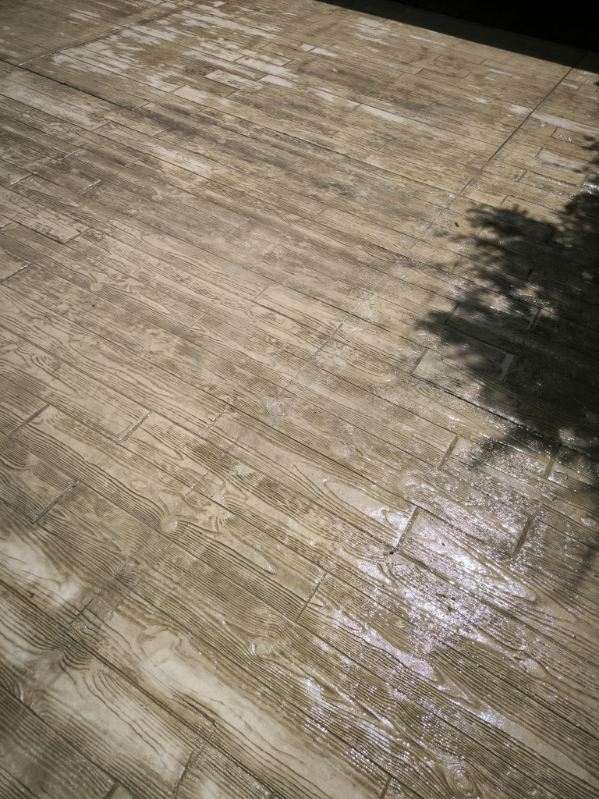
- Consider sealing. A sealer helps protect concrete from water, stains and wear. Stamped concrete in particular looks best when it is resealed every few years.
- Inspect trees near your concrete. Note any roots that are starting to lift walkways or driveway edges.
- Plan replacements. If a section is badly cracked, sunken or holding water, fall is a great time to get an estimate and plan the work.
Winter: protect against the occasional freeze
DFW winters are usually mild, but ice storms and hard freezes do happen.
- Go easy on deicers. Some deicing salts can damage concrete surfaces, especially newer concrete. Sand or a concrete-safe product is a gentler choice for traction.
- Use plastic shovels. Metal blades can scrape and chip the surface.
- Keep water moving. Make sure melting ice can drain away rather than refreezing in low spots.
Year-round habits
- Sweep and rinse your concrete regularly.
- Keep gutters and downspouts directing water away.
- Clean oil, gas, paint and chemical spills right away.
- Keep very heavy vehicles and equipment off residential driveways.
- Keep an eye on cracks so you can catch problems early.
How to clean common stains
- Dirt and pollen: A garden hose and a stiff broom handle most everyday dirt. A pressure washer on a gentle setting works well a few times a year; keep the nozzle moving and avoid blasting edges and joints.
- Oil and grease: Cover fresh spills with an absorbent like cat litter, let it sit, then sweep it up and scrub the spot with a concrete-safe degreaser.
- Leaves and organic stains: Rinse and scrub with a mild cleaner. Clear leaves often in the fall to prevent them.
- Rust: Use a cleaner made for rust on concrete and follow the directions carefully.
Avoid harsh acids and strong chemicals unless they are made for concrete, and test any cleaner on a small, hidden area first.
A quick yearly checklist
- Walk your driveway, walkways and patio and note any new or widening cracks.
- Check that gutters and downspouts drain away from concrete.
- Look for low spots that hold water after rain.
- Fill in soil that has washed away from slab edges.
- Reseal stamped or decorative concrete if the color looks faded.
- Look at trees near your concrete for roots that are starting to lift slabs.
Catching problems early gives you more options and helps your concrete last longer.
When care is not enough
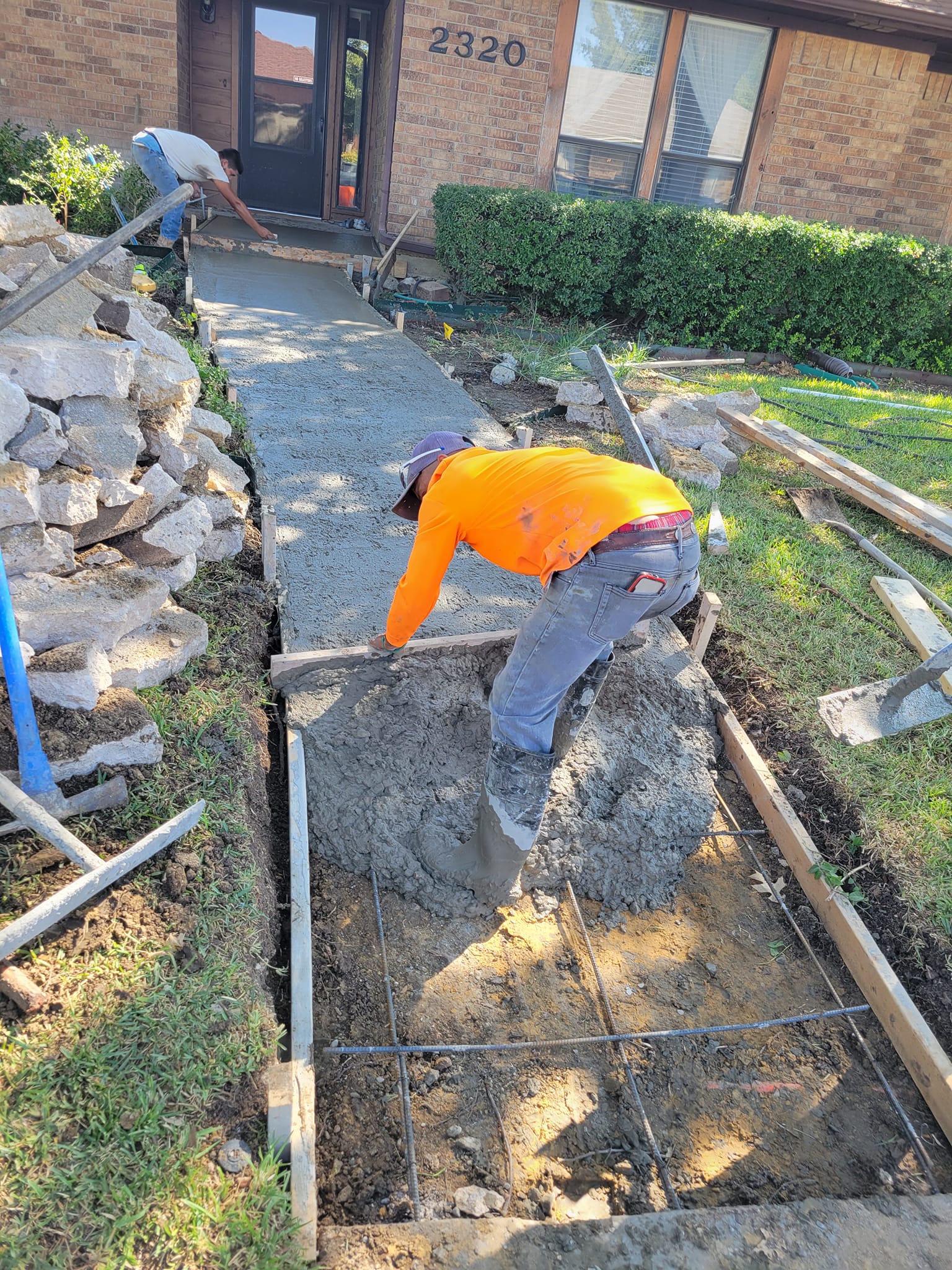
Maintenance helps concrete last longer, but it cannot fix a failed base. If your driveway, walkway or patio has wide cracks, sunken sections, a crumbling surface or areas that hold water, replacement is usually the long-term fix. When we replace concrete, we regrade for drainage, build a compacted base and pour a new rebar-reinforced slab, so it is ready for whatever North Texas weather brings.
Want us to take a look? Call DFW Solid Concrete at (972) 922-8156 or request a free on-site estimate.